A Gentler Way to Set Dog Training Goals for 2026
Mission Summary:
How to build realistic, low-pressure training goals that support real life - for both you and your dog.
January goal‑setting energy is powerful — but when it comes to dog training, we can sometimes set the wrong goals. Goals that are mismatched with who our dogs actually are, shaped more by what we want them to be than what they truly need. Goals that ask too much, too fast — and that can quietly create stress, frustration, and burnout for both dogs and their people.
So let’s do this differently for 2026 -
Start With Real Life Wishes, Not Commands
Instead of starting your goal setting by writing down a list of cues like “sit,” “heel,” or “place,” start with what you want daily life with your dog to feel like.
Ask yourself:
What moments feel hardest right now?
Where do I feel tense or overwhelmed with my dog?
What would “easier” actually look like?
What would be fun and enriching for both of us?
Examples:
Calmer, more connected walks
A dog who can settle while you eat dinner
Fewer big reactions when guests arrive
A dog who feels safer navigating the world
These are your North Star goals. They paint a clear, positive picture of what you’re moving toward (rather than what you’re trying to avoid) and help guide your training in a way that feels supportive, sustainable, and low‑pressure for both you and your dog.
Accentuate the Positive: Build Goals Around What You Want to See
One of the most helpful shifts you can make when setting training goals is moving away from what you don’t want — and getting really clear about what you do want instead.
It’s completely understandable to set goals from a place of frustration:
“I don’t want my dog to bark.”
“I don’t want them to pull.”
“I don’t want big reactions.”
But it is difficult to teach a dog the absence of behavior. They learn from practicing alternative behaviors that feel safe, reinforcing, and doable. Try reframing your goals by building a picture of what you want life to look like:
Instead of:
“Stop barking at the door.”
Try: “My dog checks in with me or grabs a toy when they hear the doorbell ring.”“Don’t pull on leash.”
Try: “My dog walks with a loose leash and checks in with me.”“No jumping on guests.”
Try: “My dog greets guests calmly with four paws on the floor.”
These kinds of goals give you something to reinforce, not just something to correct. They make training clearer for your dog — and far less frustrating for you.
When your goals describe what success looks like, it becomes easier to notice progress, celebrate small wins, and stay motivated over time.
Break Down the Goal Into Trainable Pieces
Big goals don’t get trained directly — tiny versions do.
Instead of “perfect recall,” think:
Turning back to you when their name is called
Choosing you over a distraction at a distance
Coming when called in low-stakes environments
Instead of “stop barking,” think of goals like:
Noticing a trigger calmly at a distance
Recovering faster after a reaction
Looking to you instead of escalating
This is where we gently reframe big, abstract goals into clear, specific descriptions of what we want to see — making training more practical, fair, and actually effective for real life.
Don’t Forget Self‑Care Goals (Yes, for Your Dog)
Training goals matter — but so do joy, rest, and regulation.
As you’re thinking about 2026, it’s worth setting a few intentional self‑care goals for your dog, too. These aren’t about improvement or progress; they’re about making sure your dog’s life feels full, safe, and genuinely enjoyable.
Start by outlining your dog’s favorite ways to decompress and feel good:
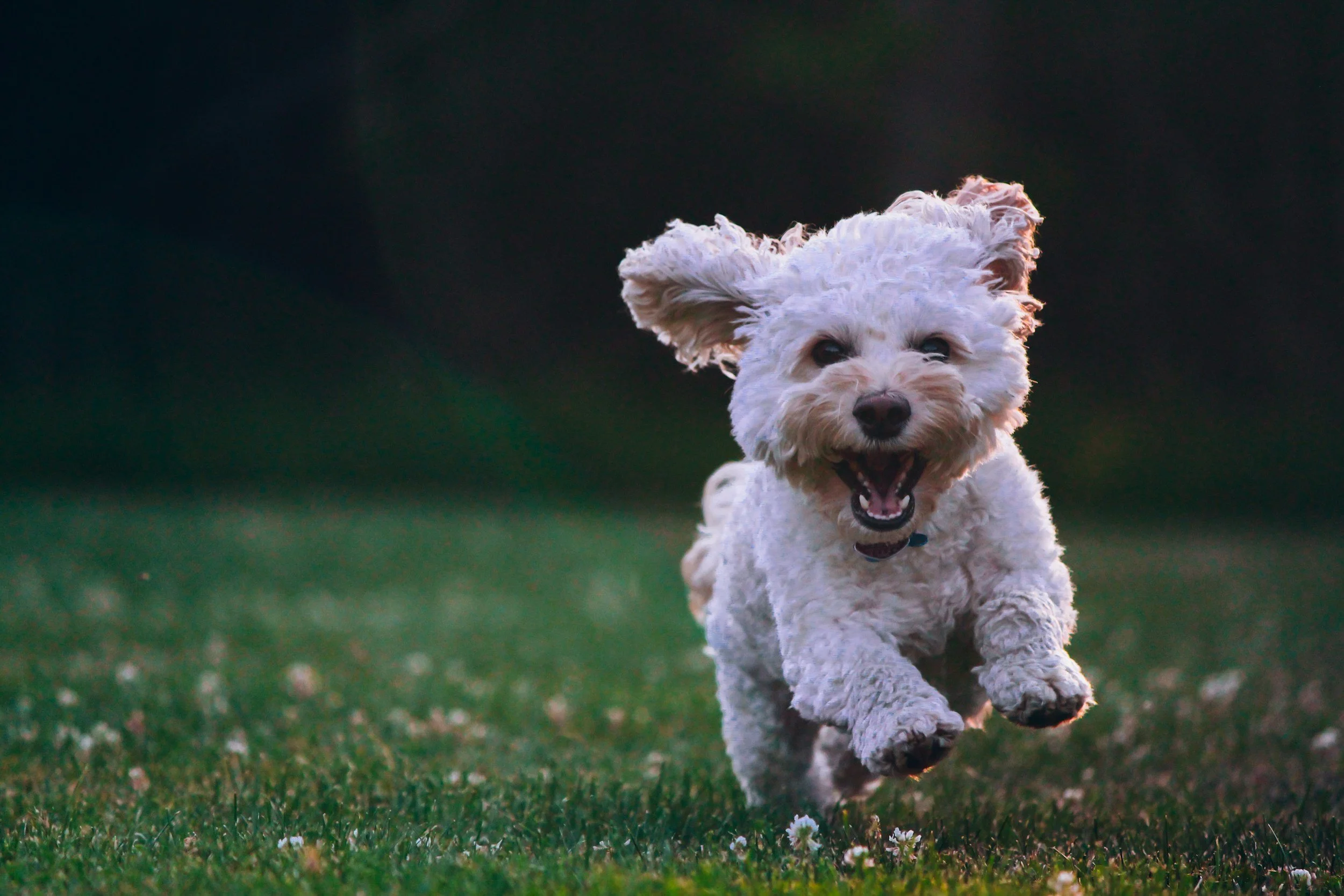
Wind‑in‑their‑hair runs (tongue flapping encouraged)
Sniff‑heavy strolls with no agenda
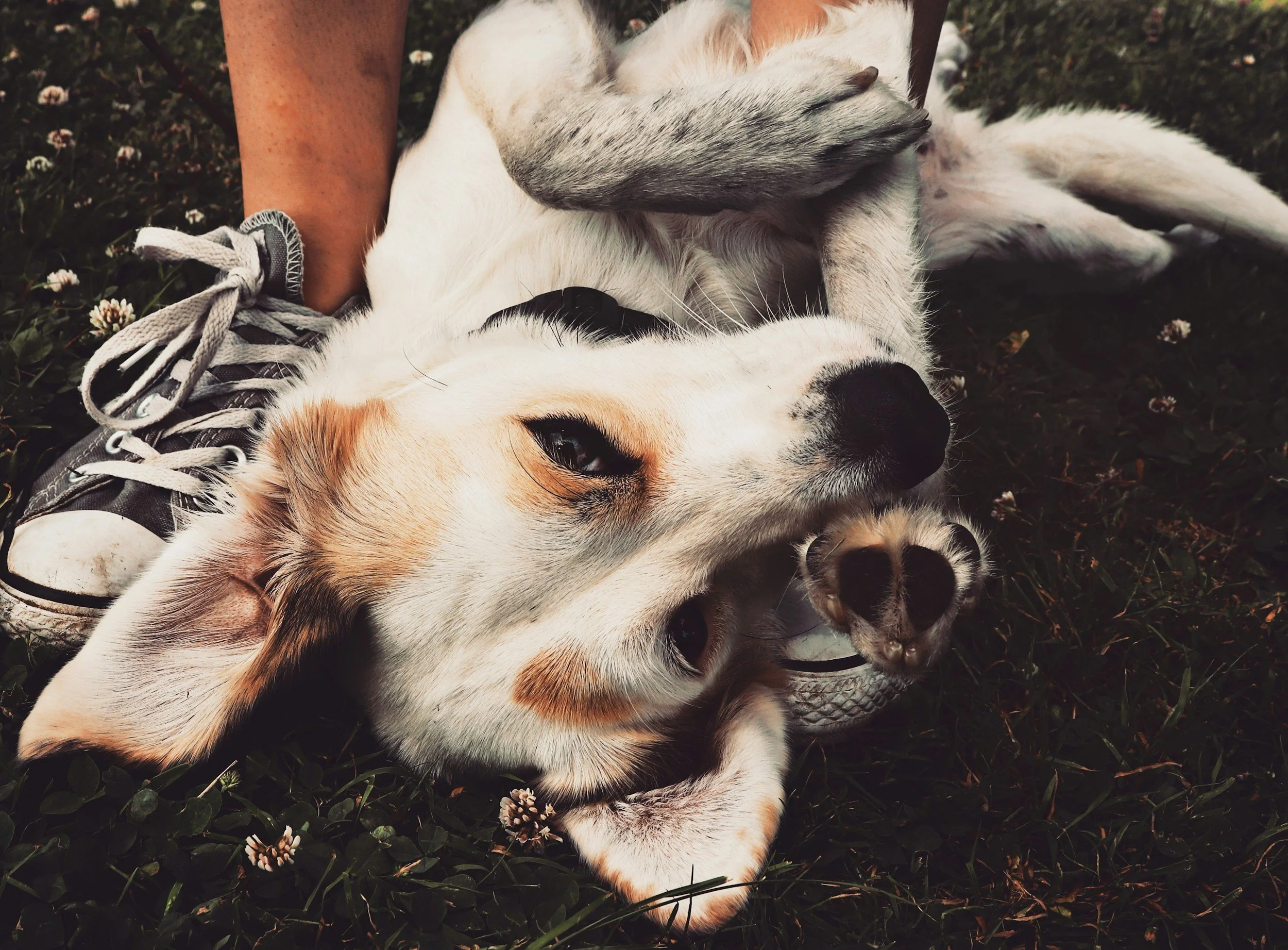
Rolling in the grass, splashing in water, sunbathing, or watching the world go by
Play that feels joyful for them (not just structured or skill‑based)
Then, zoom out and look at your self‑care and hobbies.
Ask yourself:
Where do my dog’s favorite activities overlap with mine?
How can we share these moments instead of squeezing them in as “extra” tasks?
Maybe that looks like:
Slow neighborhood walks while you listen to a podcast (for non-reactive dogs only!)
Weekend hikes, park hangs, or beach days you both enjoy
Sitting outside together while you read, journal, or have your morning coffee
When your dog’s nervous system gets regular chances to settle and enjoy the world — and you’re more regulated and present — training tends to come together more easily.
Think of these goals as part of the foundation, not a reward for “good behavior.”
Free Download: 2026 Dog Training Goals Tracker
I created a free 2026 Training Goals & Progress Tracker to help you set holistic training goals and notice real growth throughout the year.
It includes:
A "North Star" goals setting guide
An outline for building the support system you and your dog need
A skillset building guide
[Plan Your Dog’s 2026 — Download the Free Tracker]
All your dog really needs is clarity about what you’re asking, enough support to be successful, and a human who can notice the small shifts — a quicker check‑in, a softer body, a faster recovery — rather than fixating on how far there still is to go.
If training sometimes feels messy, nonlinear, or slower than you expected, that doesn’t mean it isn’t working. It usually means your dog is learning in real life, with real feelings involved. When we slow down, set fair goals, and build in joy alongside skill‑building, we give our dogs the chance to feel safe, confident, and capable — and that’s where lasting change actually comes from.
And as always, if you find yourself needing a little extra support along the way, that’s exactly what we’re here for. You don’t have to do this alone. Happy training 💛
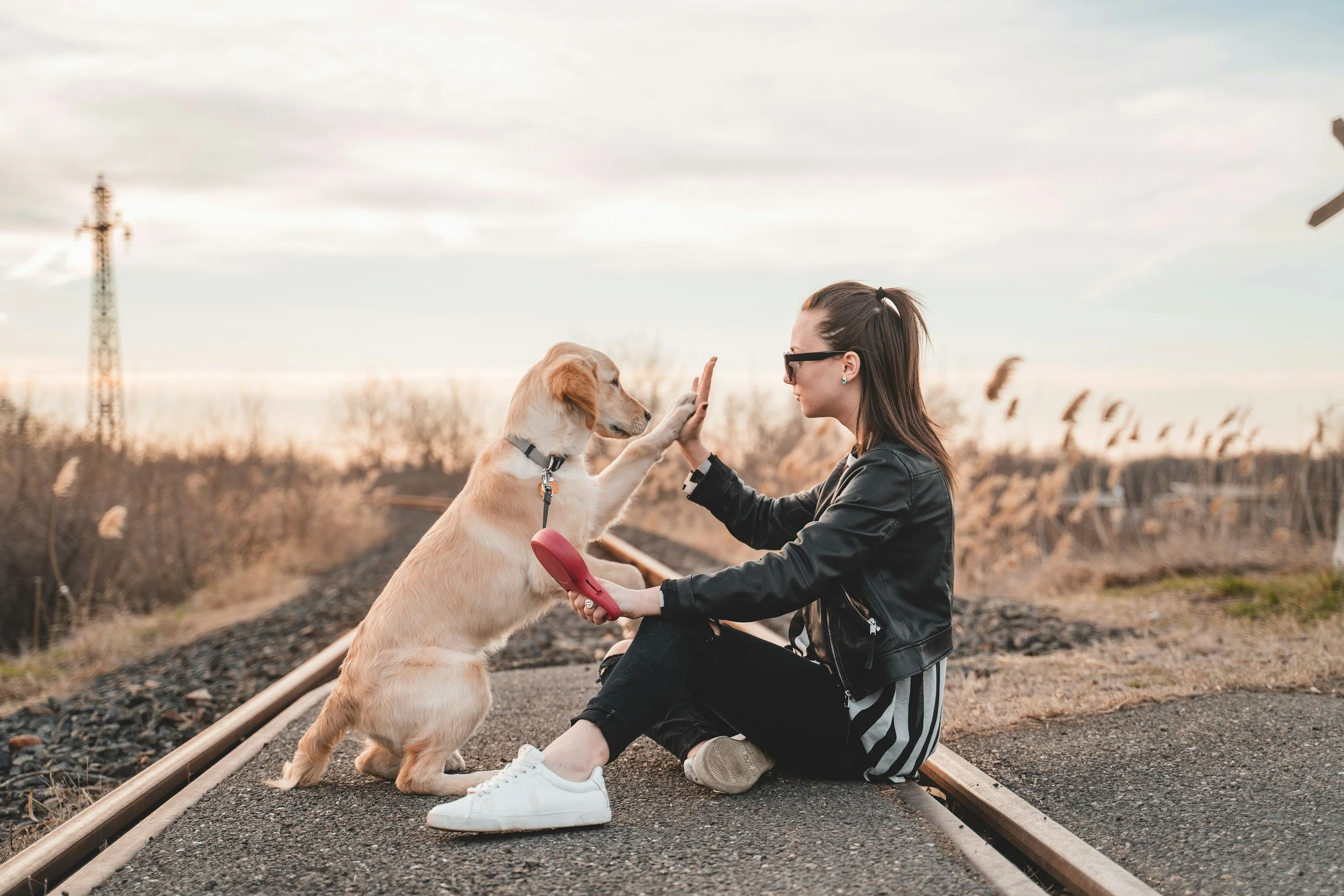
Not Sure When to Reach Out to a Trainer?
If your dog’s behavior feels overwhelming, confusing, or just not improving, it might be time to get support.
Reaching out to a certified trainer early can help prevent small issues from turning into lasting habits.